




Polymer prices - October price expectations point to a decrease
Prices below €900/t have also appeared for most polyolefins. Following the oil and NAPHTHA price rises of the past week, European contract olefin monomer prices are mostly pointing towards a roll-over. However, this does not mean stability for polyolefins. Strong supply pressure is expected to lead to price falls as early as the first week of October. The lower values of the price bands will be in three digits, except for polystyrenes. The price of styrene monomer could fall by €70-100/t due to weak demand in Europe. This could lead to a similar fall in polystyrene prices.
There have been other times when polymer prices in the triple digits have been on the market, but this was usually accompanied by low feedstock (oil, naphtha) prices. Now, however, a completely new phenomenon is emerging. With high feedstock and energy prices, polymer prices are falling.
A good example is LLDPE. The price of LLDPE C4 and C6, which collapsed rapidly in September. Prices, which were typically above €1,000 at the beginning of September, had fallen to well below €1,000 by the end of September, with some larger lots reaching prices below €900; prices were down by nearly €100 compared to the fourth week of August. The cheapest prices typically applied to imported items from outside Europe. For LLDPE produced in Europe, a positive margin is no longer achievable at this price level. It is no coincidence that DOW Chemical's polyethylene and ethylene plants in Terneuzen are shut down for maintenance, and the LLDPE plant in Tarragona is also halting production for a while.
What is the reason for the collapse of LLDPE prices? Clearly, the price and inventory policies of two major global polymer producers and the largest importers of LLDPE, as well as the unusually weak European demand. The rapid liquidation of inventories reflects market pessimism about the next quarter.
Will this kind of price collapse happen for other polyolefins? The decline in prices, at the lower end of the price bands, is significant for all polyolefins, but so far average prices have not fallen at a similar pace. It is true that the import share of HDPE, LDPE and PP is much smaller than that of commodity LLDPE, so import pressure is only noticeable for some grades. For some PPH Raffia and BOPP grades, which are available in large quantities from imported sources and users are also large capacity companies, we expect a similar phenomenon of dynamic price decreases. The price bands will open up, with a difference of up to €150-200 between imported and European-made lots, and average prices will also fall significantly. In the case of HDPE, PPC, and PPR, which are arriving in smaller quantities, the price range will widen, but the average prices will not decrease significantly.
What does this mean for the last quarter of 2025?
Weak consumer demand and supply pressures are expected. Due to falling prices, polymer demand is weakening further and processing inventories are decreasing. More shutdowns are expected for non-integrated European polymer manufacturers. While in the case of those integrated with a refinery, the goal will be to maintain production despite poor profitability. The question is what will happen to the inventories accumulating at polymer manufacturers and traders in the last quarter. Will they remain in storage or will they be on the market in November/December? It almost doesn't matter in terms of the end result. If they remain in merchant warehouses, the first quarter of 2026 will be characterized by continued supply pressure and a period of low prices. If they go on sale in December, we should expect extremely weak polymer demand and similarly low prices in the first quarter.
-

myCEPPI
myCEPPI provides a weekly price report for commodity plastics.


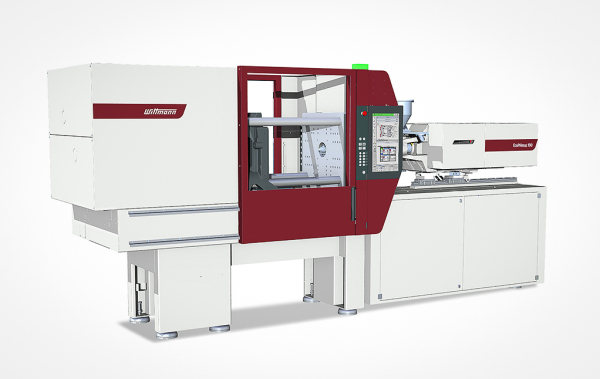
WITTMANN Group at Fakuma 2026: High performance with maximum cost efficiency
28.8.2026 Primus stands for a clear focus on what matters most to achieve maximum material, energy and cost efficiency – without compromising on performance, quality or spare parts availability. At Fakuma 2026, taking place from 12 to 16 October in...