
Modernisation of Industrial Machinery by Symtex Brno: How to Extend Equipment Life and Improve Production Efficiency
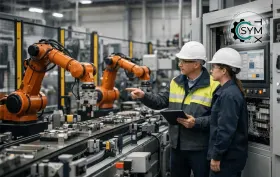
Modernisation of industrial machinery offers an alternative to complete replacement. By upgrading selected mechanical, electrical and control system components, manufacturers can extend equipment life, improve operational reliability and adapt existing technologies to current production requirements.
Symtex Brno s.r.o. provides technical solutions in industrial automation, electrical installation, control systems, machinery installation and servicing. Drawing on the experience of its engineering team, the company supports industrial projects involving the integration, commissioning and maintenance of production technologies.
Why Consider Modernising Existing Production Equipment?
Industrial machinery is often designed for a long service life. Nevertheless, individual components can become outdated or increasingly difficult to maintain. Control systems may no longer meet current requirements, electrical components may approach the end of their service life, and communication between machines may become a limitation when production processes change.
Modernisation can help address these challenges without necessarily replacing the entire machine or production line.
Typical reasons for upgrading industrial equipment include:
- Outdated control systems that are difficult to maintain or modify.
- Limited availability of spare parts for older electrical and automation components.
- Frequent operational interruptions caused by ageing equipment.
- Changing production requirements that demand different machine functions or process parameters.
- Integration challenges when connecting existing machinery to newer production equipment.
- Safety requirements that call for a professional assessment and appropriate technical improvements.
The most suitable solution depends on the condition of the equipment, its intended use and the customer's production objectives. A technical assessment helps determine whether a targeted upgrade is sufficient or whether a more extensive reconstruction is necessary.
|
|

Which Parts of Industrial Machinery Can Be Modernised?
Modernisation does not always mean making major changes to the entire machine. In many cases, improvements can focus on specific systems that have the greatest impact on reliability, maintainability or production performance.
1. Electrical Systems and Control Cabinets
Electrical installations and control cabinets are essential to the reliable operation of industrial machinery. Over time, components can deteriorate, connections can loosen and obsolete equipment can become difficult to replace.
Depending on the machine's condition, modernisation may involve:
- replacing obsolete electrical components,
- upgrading control cabinet equipment,
- inspecting and improving cable installations,
- reviewing electrical protection and circuit design,
- updating electrical documentation,
- checking the integration of new components with existing equipment.
A properly planned electrical upgrade can make future maintenance easier and improve the availability of suitable replacement components.
2. PLC and Automation System Upgrades
Programmable logic controllers (PLCs) and other automation components coordinate machine functions and production sequences. When control systems become outdated, even relatively simple adjustments can require considerable effort.
An automation upgrade may include replacing selected PLC components, adapting control logic, updating interfaces or integrating new devices into the existing system.
Before making changes, it is important to understand how the machine operates and how its individual functions interact. The upgraded system must work reliably with the existing drives, sensors, actuators and other connected equipment.
The objective is not simply to install newer components, but to achieve a reliable and maintainable control system that meets the actual needs of production.
3. Integration of Existing and New Equipment
Production lines frequently consist of machines supplied by different manufacturers and installed at different times. Connecting these technologies can present challenges involving communication, control signals, operating sequences and safety functions.
Modernisation can help improve cooperation between individual machines and create a more consistent production process.
Depending on the application, this may involve:
- integrating additional machines into an existing line,
- adapting control interfaces between equipment,
- configuring communication between automation components,
- coordinating conveyor systems and processing machinery,
- testing the interaction of connected equipment.
The aim is to ensure that the individual machines operate as parts of a coordinated production system rather than as isolated units.
4. Safety Systems and Functional Checks
Safety must remain a priority throughout any machinery modernisation project. Changes to electrical systems, control logic or machine functions can affect existing safety arrangements.
A modernisation project should therefore include an appropriate assessment of the machine, its intended operation and the potential impact of the planned changes.
|
|

Depending on the scope, the work may include checking safety circuits, emergency stop functions, protective devices and the interaction between safety components and machine controls.
Any modifications must be designed, implemented and verified in accordance with the applicable requirements. The scope of the necessary assessment and verification depends on the machine and the nature of the changes.
How Does a Machinery Modernisation Project Work?
Successful modernisation starts with understanding the existing equipment. A structured approach helps identify technical risks, define the scope of work and reduce the likelihood of unexpected complications during implementation.
1. Initial Technical Assessment
The first step is to evaluate the machine or production line, its current condition and the problems the customer wants to address.
This includes reviewing the available technical documentation, identifying obsolete components and understanding the requirements of the existing production process.
2. Defining the Modernisation Scope
Based on the assessment, the necessary modifications are identified. The project team determines which components should be replaced, which systems can remain in operation and how the proposed changes will affect the rest of the equipment.
The scope should reflect the customer's priorities, technical constraints and planned operating conditions.
3. Technical Design and Preparation
The next stage involves preparing the technical solution and the documentation required for implementation. Depending on the project, this may include electrical design, control cabinet modifications, automation configuration and planning the integration of new components.
Careful preparation helps coordinate the work and minimise avoidable interruptions.
4. Implementation and Installation
The planned modifications are then carried out. This may involve electrical installation, replacement of selected components, control system upgrades and integration with existing machinery.
The work must be coordinated with the customer's production schedule and the technical requirements of the equipment.
5. Testing and Commissioning
Before the upgraded machine returns to normal operation, its functions and interactions with connected equipment must be checked.
Testing may include verification of control sequences, communication between devices, operating parameters and safety functions. Any identified issues must be resolved and the modified system verified as appropriate before production resumes.
6. Documentation and Ongoing Technical Support
After implementation, updated documentation provides an important reference for future maintenance and troubleshooting.
Depending on the project, further support may include servicing, maintenance, diagnostics and assistance with subsequent technical modifications.
Modernisation in Plastics Processing and Recycling
The plastics industry and recycling sector rely on equipment such as extruders, shredders, granulators, washing lines, conveyors and material handling systems. These machines often form part of interconnected production processes, where the performance of one unit can affect the operation of the entire line.
In extrusion, for example, upgrading a control system may help address obsolete components or improve the management of process parameters. In recycling, modernising selected automation components may help integrate equipment into an existing line or improve communication between machines.
|
|

Conveyor and material handling systems may also benefit from targeted upgrades when control components need replacing or additional equipment must be integrated.
In every case, the solution should be based on the actual condition of the machinery and the requirements of the production process. Modernisation is not a universal remedy, and it cannot compensate for every form of mechanical wear or structural damage. A technical assessment is essential to establish what can realistically be achieved.
Modernisation or Complete Replacement: Which Is the Better Option?
The decision depends on several factors, including the machine's mechanical condition, expected remaining service life, availability of spare parts, operating costs and future production requirements.
|
|

These are general considerations rather than guaranteed outcomes. In some cases, modernisation is a practical way to extend equipment life. In others, extensive wear, inadequate capacity or fundamental design limitations may make replacement the more appropriate option.
A comparison of technical feasibility, investment, operating costs and expected service life helps support an informed decision.
The Role of an Experienced Technical Partner
Modernising industrial machinery requires more than replacing outdated components. The electrical systems, automation, machine functions and connected equipment must be considered together.
A technical partner can help assess the existing installation, prepare a suitable solution, coordinate implementation and verify that the modified technology operates as intended.
|
|

Symtex Brno s.r.o. focuses on industrial automation, electrical installations, control systems, control cabinet manufacturing, machinery installation, commissioning and technical service. Its engineering team supports projects in different industrial sectors, including plastics processing, recycling, logistics, automotive and aerospace.
With experience in industrial plant construction and the integration of automated production lines, Symtex Brno approaches each project with an emphasis on the technical requirements of the equipment and the needs of the customer.
Conclusion: Making Existing Technology Work for Longer
Modernisation can be a practical way to address obsolete control systems, improve maintainability and adapt existing machinery to changing production requirements. When the equipment is suitable for upgrading, targeted improvements may help extend its useful life without the need for complete replacement.
The key is to begin with a clear understanding of the machine, identify the right scope of work and verify the results before returning the equipment to production.
For manufacturers in the plastics processing and recycling industries, the right modernisation strategy can help preserve the value of existing equipment while preparing it for future operational demands.
Symtex Brno supports industrial customers with automation, electrical installation, machinery integration, commissioning and technical service – from individual machines to interconnected production technologies.
-

Symtex Brno s.r.o.
Industrial automation, maintenance of machinery and equipment, plastic welding, automation and robotization of industrial production, construction…

Suppliers on this topic
-
PM AUTOMATION CZ s.r.o.
Complete solutions for industrial automation, robotics and machine vision. We support you every step of the way, from… -

Safetykleen Czech, s.r.o.
Manual parts washers, high-pressure parts washers, automatic parts washers, specialist parts washers for removing… -

Flumasys s.r.o.
Authorized distributor of Nordson, manufacturer of dosing systems, technologies for regeneration of industrial… -

EK-INDUSTRY, s.r.o.
Czech-Slovak company for machine safety, risk assessment, CE documentation, modernization, programming, and NIS2… -

Dopak sp. Z o. o.
Dopak is one of the leading suppliers for the plastics processing and recycling industry in Central Europe. -

BRC Slovakia s.r.o.
BRC Slovakia offers individual solutions for customer needs, modernization of machines, optimization of production…


MSV 2026 brought together industrial innovation, experts and young talent – Photo Gallery, Part 2: Halls A, B and F
23.10.2026 This year’s MSV offered not only industrial technologies but also a rich programme of expert events and networking, featuring around 100 conferences and discussions. Key topics included digitalisation, artificial intelligence, robotics, technical...
Most read in the last 7 days




Most read in the last 7 days