





Polymer prices - monomer-linked price increases based on early September levels
The increases were only partially successful: converters accepted, at most, the monomer price increases, and only against early September price levels. Although an oil crisis appears to be developing and feedstock prices continue to rise, there is no sign of panic buying.
Both polymer producers and plastics converters are taking an extremely short-term approach, largely following familiar patterns of thinking. Plastics converters are already following their usual year-end routines. They are not building inventories, and many expect the usual year-end price decline. Sellers’ opportunistic pricing reinforces these expectations. Ambitious price increase plans are repeatedly followed by rapid retreats in the market. The European market is oversupplied, partly because of weak demand and partly because of incoming imports. As a result, decisions by just a few polymer producers can significantly influence European prices, as happened this October. Most European polyolefin producers wanted to implement larger price increases, but 2–3 players decided to raise prices from early September levels by roughly the change in monomer prices. With information spreading quickly, everyone had to follow suit by the end of last week. October sales also depend on quick decisions made within a few days. Those who announce competitive prices earlier are more likely to meet their monthly sales targets.
Beneath polymer producers’ pricing flexibility, pressure is building in the oil industry. Oil price stability can only be maintained through exceptional releases of stocks. NAPHTHA prices rose sharply, by 8%, in one week. This points to further European monomer price increases in November. However, monomer prices already decoupled from polymer prices in the spring and clearly have only a limited influence on polymer prices, particularly polyolefins. There are two reasons: the continuous inflow of imports and the cash flow losses plastics converters have suffered this year. This means they have no available funds for precautionary (panic) buying, while import prices consistently remain below European polymer prices and prevent them from rising.
Suppliers on this topic
-
SOLLAU CZ s. r. o.
Purchase and sale of plastic crumbs and regranulates, magnets and magnetic separators, metal part separators… -

geba Kunststoffcompounds GmbH
Masterbatches for plastics, plastic regranulate, ABS regranulate, ABS plastic regranulate, PC, PC/ABS, PA6, PA66, TPU… -
Szeplast Zrt.
Development and production of soft and hard PVC granulates, testing of plastic granulates, laboratory tests. -

Remarkplast compounding a.s.
Plastic compounds, plastic compounding, regranulate, plastic regranulation, construction plastics - production and… -

DLplast, s.r.o.
Production of hoses, extrusion of plastic hoses, extrusion of plastics, production of plastic profiles, processing of… -

Fatra, a.s.
Processing of PVC, PE, PP and PET, FATRAFOL waterproofing foils, PVC flooring, PVC granulate, regranulate…



-
Genesis Polymers Europe and Velogy bring European PP and PE production closer to customers at Fakuma 2026
The joint presence at Fakuma (Hall B2, Booth 2310) showcases a growing European polyolefin platform that combines Velogy’s production capabilities with... -
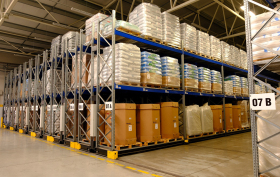
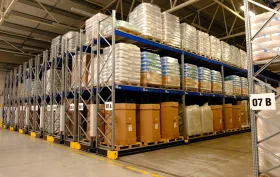
VACULA s.r.o.: Stable supplies of plastic granulates even in uncertain times
In the current complex global market environment, influenced among other factors by geopolitical tensions, many companies are facing uncertainty in supply... -
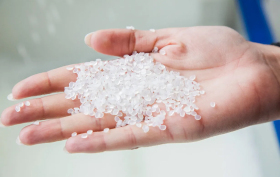
LIFOCOLOR explains how to choose the right masterbatch granule size
Are you dealing with colour inconsistencies, material segregation in the hopper, or inaccurate dosing? One possible reason may be an unsuitable granule size....

Most read in the last 7 days
-
Polymer prices – the increase in olefin monomer contract prices in October was in line with expectations
-
BASF expands the Ultradur® portfolio with new grades based on post-consumer recycled PET
-
We had the pleasure of meeting at one of the plastics industry events
-
Fakuma 2026
-
Polymer prices - narrowing availability, rising prices without panic buying




Most read in the last 7 days
-
Polymer prices – the increase in olefin monomer contract prices in October was in line with expectations
-
BASF expands the Ultradur® portfolio with new grades based on post-consumer recycled PET
-
We had the pleasure of meeting at one of the plastics industry events
-
Fakuma 2026
-
Polymer prices - narrowing availability, rising prices without panic buying