

Polymer prices - the steep rise in feedstock prices does not generate a buying panic either
However, rising feedstock prices have also opened up the possibility of price increases in European polymer markets. Polymer price increases are being countered by weaker-than-expected polymer demand and the difficulty of implementing price increases in October, when the market is already preparing for the end of the year.
The expectations for price increases are due to the continuously rising prices of BRENT and NAPHTHA, which have been rising steadily since mid-July. Now, it is not just panic, but actual tight European supply and low inventories that are driving the rise in feedstock prices.
The price increase is not yet noticeable in polymer prices. One reason for this is the unfavourable September contract price decrease for olefin monomers, both propylene and ethylene. Polymer buyers and plastic converters cannot accept price increases when monomer prices are falling. The primary reason for this is weaker-than-expected demand across the entire plastics value chain, while the secondary reason is established patterns of thinking.
Polymer prices are under pressure because olefin monomer prices are consistently higher than polymer prices, with most grades sold by polymer producers at negative spreads. The fundamental reason for the “derealisation” of monomer prices is the manipulation of olefin monomer prices since October 2025.
To reduce the volatility of olefin monomer and polyolefin prices caused by hectic changes in oil and naphtha prices, companies that set monomer prices only partially reflected feedstock price changes in monomer prices.
Following the spring price explosion and the summer price declines, olefin monomer prices lost their relevance in determining polymer prices. The reason is that during the polymer price explosion and the resulting buying panic, polymer manufacturers increased their polymer prices to a greater extent than the increase in monomer prices. The spread, or polymer–monomer price difference, exceeded €750/t for some polymers.
During the period of panic selling, the process was similar. Polymer manufacturers reduced their prices more sharply than the change in monomer prices would have justified, trying to sell “at all costs”. This resulted in a situation where polyolefin prices fell well below olefin monomer prices.
Central European polyolefin spreads have turned negative, with polymer prices in some cases €250–270/t below olefin monomer prices.
The common interest of monomer and polymer producers would be to reduce olefin monomer prices or increase polyolefin prices as much as possible, or to combine both measures. They have also tried to reduce olefin monomer prices, as seen in the delayed August ethylene monomer price announcement and the unexpectedly declining September olefin monomer prices.
In addition to the falling September monomer prices, they also attempted to increase polyolefin prices. However, these attempts were unsuccessful. The imbalance persisted, and polymer demand did not support a simultaneous decrease in olefin monomer prices and increase in polyolefin prices.
There is little chance of this happening in October and November. Even though olefin monomer prices will increase significantly in October, the season will end by October at the latest. Plastics converters would rather not buy than accumulate expensive inventories in a volatile price environment. This lesson was already learned in the spring.
A price increase can only occur in the last quarter if polymer manufacturers change their behaviour and become less opportunistic. This would only be possible if European supply narrowed, but imports would immediately appear if prices rose.
In addition to unrealistic olefin monomer prices, polyolefin prices have become a reference in themselves. Prices are driven by supply and demand, while imported polymer prices serve as global benchmarks. The absolute level of monomer prices has no effect; only the direction of change matters.
Since there is no chance that polymer prices will rise significantly during the next three to four months of weak demand, and the market in fact expects the usual end-of-season decline in demand and prices starting in mid-October, it is highly unlikely that polyolefin or PVC prices will rise more than olefin monomer prices.
In fact, it may happen that, despite the likely increase in olefin monomer prices, polyolefin and PVC prices will remain unchanged or may even decrease due to weak demand. Therefore, negative spreads of several hundred euros are likely to persist and may even increase.
A more significant break would therefore be necessary: a one-time adjustment of the olefin monomer price. A contract price reduction of €200–250/t for olefin monomers during the month would pave the way for the healthy functioning of the European market and allow polyolefin prices to realign with olefin monomer prices.
Suppliers on this topic
-

SLOVNAFT, a.s.
Production and sale of petroleum products and it´s chemical processing - production and distribution of polyethylene… -
SRNOPLAST K96 s.r.o.
Purchase and crushing of plastic materials, custom crushing of plastics, regranulate, regranulation, recycling of… -

Archeo CZ s.r.o.
Distributor of leading brands of technical granules, including PA and POM, expert advice on selecting the right… -
SOLLAU CZ s. r. o.
Purchase and sale of plastic crumbs and regranulates, magnets and magnetic separators, metal part separators… -

geba Kunststoffcompounds GmbH
Masterbatches for plastics, plastic regranulate, ABS regranulate, ABS plastic regranulate, PC, PC/ABS, PA6, PA66, TPU… -
Szeplast Zrt.
Development and production of soft and hard PVC granulates, testing of plastic granulates, laboratory tests.


-

Genesis Polymers Europe and Velogy bring European PP and PE production closer to customers at Fakuma 2026
The joint presence at Fakuma (Hall B2, Booth 2310) showcases a growing European polyolefin platform that combines Velogy’s production capabilities with... -
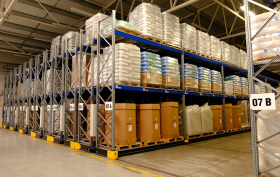
VACULA s.r.o.: Stable supplies of plastic granulates even in uncertain times
In the current complex global market environment, influenced among other factors by geopolitical tensions, many companies are facing uncertainty in supply... -
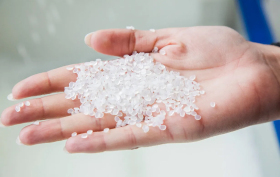
LIFOCOLOR explains how to choose the right masterbatch granule size
Are you dealing with colour inconsistencies, material segregation in the hopper, or inaccurate dosing? One possible reason may be an unsuitable granule size....
Most read in the last 7 days
-
Polymer prices - october price increases partly successful, with minor corrections expected in the week ahead
-
Plastica-expo 26
-
Polymer prices – the increase in olefin monomer contract prices in October was in line with expectations
-
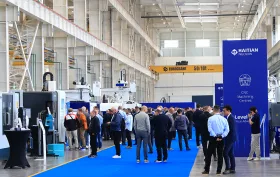
Report from Ruma, Serbia: How MAPRO opened the doors to Haitian’s European megafactory
-
Long-lasting solution: Radiation-crosslinked PE-Xc pipes for drinking water supply





Most read in the last 7 days
-
Polymer prices - october price increases partly successful, with minor corrections expected in the week ahead
-
Plastica-expo 26
-
Polymer prices – the increase in olefin monomer contract prices in October was in line with expectations
-
Report from Ruma, Serbia: How MAPRO opened the doors to Haitian’s European megafactory
-
Long-lasting solution: Radiation-crosslinked PE-Xc pipes for drinking water supply