




Polymer prices – stabilizing prices, weak demand and selectively tightening supply
Apart from a few larger, year-end, “spot” transactions that can be considered normal. In terms of demand, Central Europe is divided in two. Demand was very strong from converters using MOL Petrochemical's HDPE and PP products. They are now trying to buy the remaining items or find substitutes.
As a result, demand was buoyant in the southern and central regions, with some converters seeking to buy well in excess of their usual monthly purchases. But buoyant demand did not mean that they were willing to buy at any price. Price bands have not changed, but within them average prices have moved upwards. According to information from MOL, converters and distributors can expect limited availability in the first half of 2026. This means that most converters will have to look for substitute alternatives. This is not easy in many cases, as, for example, in the case of PPR, the quality of PPR made with Spheripol technology is different from that made with gas phase technology. But converters will be forced to compromise and learn to use other manufacturers' products and import grades. This will open up previously "closed" markets, creating opportunities for both European polyolefin producers and importers. Supply is therefore expected to widen and price competition to intensify in 2026.
In terms of price competition, it seems that polyolefins, polystyrenes and PET have reached their lowest price point, while in the case of PVC, import prices are well below European producer prices by €100-150/t.
The approaching end of the year has made all converters more cautious. Even those with bonus agreements try to find the optimum between the level of stock that gives production security, cash flow and the bonus band to be achieved. As there is little chance of significant price increases in December and January, there is no speculative buying pressure. Feedstock prices are also mostly indicative of monomer and polymer price "roll-overs" ahead into December.
-

myCEPPI
myCEPPI provides a weekly price report for commodity plastics.



-
Genesis Polymers Europe and Velogy bring European PP and PE production closer to customers at Fakuma 2026
The joint presence at Fakuma (Hall B2, Booth 2310) showcases a growing European polyolefin platform that combines Velogy’s production capabilities with... -
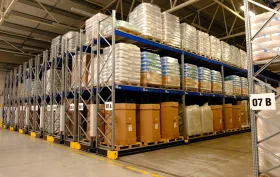
VACULA s.r.o.: Stable supplies of plastic granulates even in uncertain times
In the current complex global market environment, influenced among other factors by geopolitical tensions, many companies are facing uncertainty in supply... -
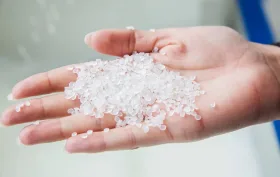
LIFOCOLOR explains how to choose the right masterbatch granule size
Are you dealing with colour inconsistencies, material segregation in the hopper, or inaccurate dosing? One possible reason may be an unsuitable granule size....