




Polymer prices - a downward spiral of prices and demand
Demand is minimal, and those who are buying are trying to wait for the lowest prices of the week. And it looks like it was worth the wait. Polymer prices have been falling day by day over the past week. Once again, panic is the main market driver, but this time both plastics converters and polymer manufacturers are characterized by a panic-driven sell-off of high-priced inventory.
The outlook does not point to price stability either; oil prices have begun to fall, with Brent approaching the price level seen in early March, once again dipping below $90 per barrel. Naphtha prices remain stable above $700 per ton, but even this suggests a significant decline in monomer prices; based on current data, a triple-digit drop in ethylene and propylene prices is expected. A triple-digit price drop is also expected for styrene monomer following the significant price slump in North America.
European polymer manufacturers are trying to sell their products at high prices and post relatively strong half-year sales figures. However, sales volumes fell short of projections in May as well, and June has been very weak. Polymer-monomer spreads are approaching zero and are already negative in many cases; however, integrated manufacturers are still making good profits from monomer production, so they remain motivated to engage in polymer production as well. However, due to falling monomer prices, profitability and monomer and polymer production are likely to decline by the end of the summer. As a result, supply pressure in Europe will decrease.
One factor pointing to a decline in supply is that a reduction in the volume of imports from the Far East—which have long lead times—is likely due to significant price risk and the closing of the arbitrage window. It is already evident that import prices are unable to keep pace with the steep rise in European prices. However, a large amount of imported cargo is already on its way to Europe and is expected to arrive in late June or early July. Since it is no longer worthwhile to ship additional shipments at this point, the impact of the decline in supply will be most noticeable in mid- to late August. However, North American polyethylene and certain polypropylene imports from the Middle East will remain readily available at competitive prices.
Due to summer vacations, demand is likely to decline across the entire plastics industry value chain; it will be very weak from late July through mid-August. A pickup in demand is possible if early signs of the fall season emerge or if there is another unpredictable shift in the global supply of oil and chemical products. In the meantime, plastic converters are trying to use up their stockpiles. However, excessively low inventory levels pose a significant risk and carry the potential for another buying panic to break out. If autumn demand fails to materialize or the autumn season lasts only 2–3 weeks again, a gradual decline in polymer prices is expected through the end of the year.
-

myCEPPI
myCEPPI provides a weekly price report for commodity plastics.



-

Genesis Polymers Europe and Velogy bring European PP and PE production closer to customers at Fakuma 2026
The joint presence at Fakuma (Hall B2, Booth 2310) showcases a growing European polyolefin platform that combines Velogy’s production capabilities with... -
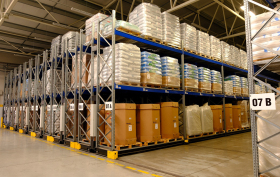
VACULA s.r.o.: Stable supplies of plastic granulates even in uncertain times
In the current complex global market environment, influenced among other factors by geopolitical tensions, many companies are facing uncertainty in supply... -

LIFOCOLOR explains how to choose the right masterbatch granule size
Are you dealing with colour inconsistencies, material segregation in the hopper, or inaccurate dosing? One possible reason may be an unsuitable granule size....