



Plastigram Industries a.s.
Map Exnárova 1a, 149 00 Praha 4


Contact people
Plastigram Industries a.s. has developed a technology for processing reject from used beverage cartons (for example Tetra Pak, Elopak, SIG Combibloc) paper recycling.
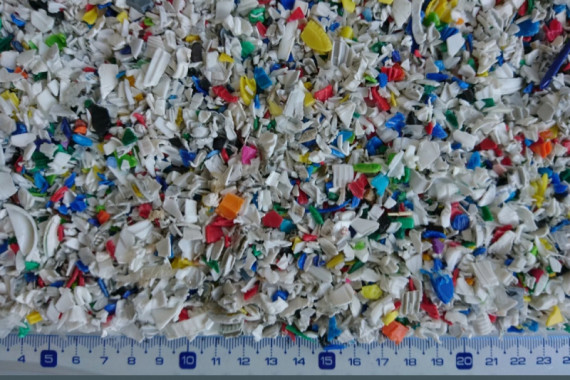
Used beverage cartons are recycled in paper mills, which only recover the paper component. The remaining polyethylene and aluminum, often referred to as “polyal”, are usually incinerated or landfilled. Our innovative process enables the recovery of plastics, including LDPE regranulate and regrind from caps, as well as aluminum (powder).
Our technology represents an important step towards resource sustainability. It significantly lowers the volume of landfilled and incinerated waste, reduces energy consumption and greenhouse gas emissions, and saves raw materials. In addition, it allows paper mills recycling UBC to reduce the cost associated with waste disposal.
Documents
Assortment / Services
- Color: green
- Melt flow rate (MFR): 4-6 g/10 min (190 °C, 2.16 kg).
- Production volume: approx. 6000 tons per year.
- LDPE regranulate is suitable for injection molding
- Technical data sheet »
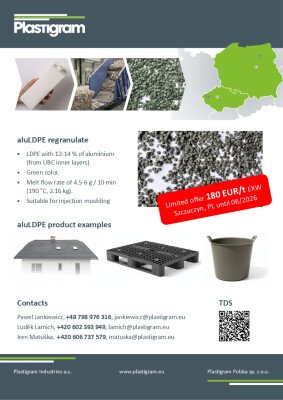
- LDPE with up to 18% of aluminium.
- Melt flow rate of 4.5-6 g / 10 min (190°C, 2,16 kg)
- Suitable for injection molding.
- Production volume of 6,000 tons annually
- Technical data sheet »
- Color: gray (color might vary)
- Approximate composition: HDPE 45%, LDPE 35% and PP 15-20%
- Melt flow rate of 7-8 g / 10 min (190°C, 2,16 kg).
- Production volume: 1,500 tons/year
- Technical data sheet »
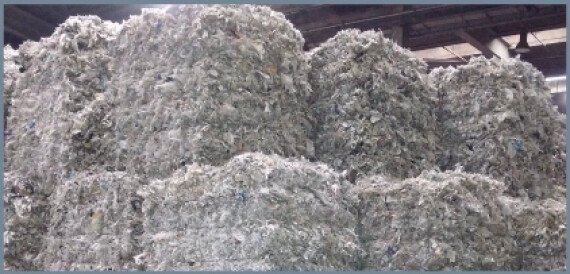
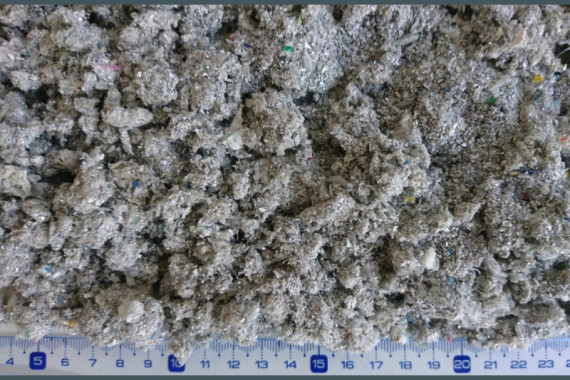
- Share of organic contaminants approximately 50%
- Production volume of 1,000 tons annually
Photo Gallery


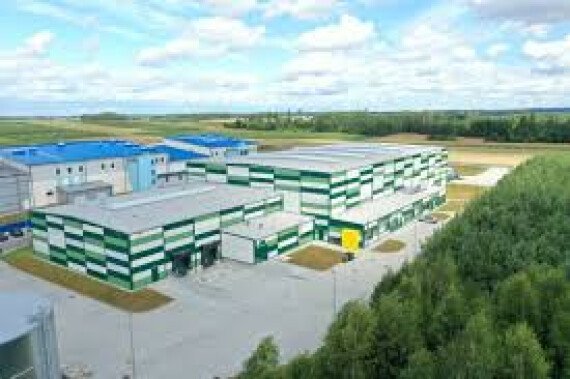
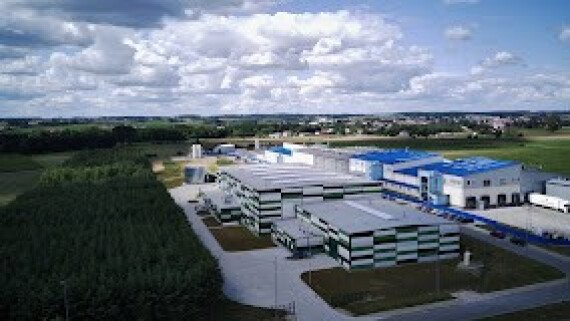
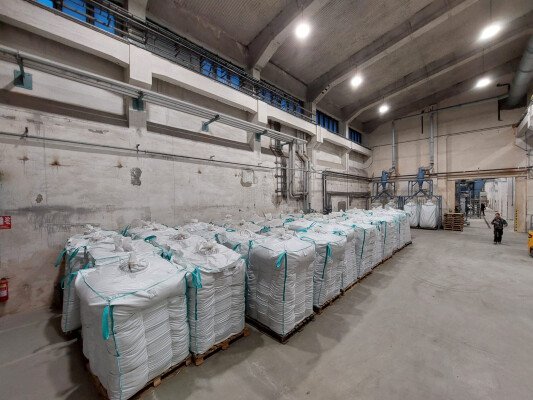
Categories
-
AluLDPE regranulate
27.1.2026 27.1.2026 | ID 21601