




Brenntag: How to formulate with PP recyclate
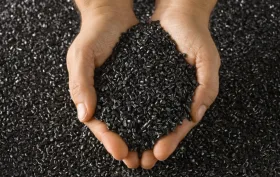
Forthcoming EU legislation states that recycled polypropylene must be used in plastic products. This will be challenging for those who have previously used only virgin materials.
As waste streams for both PIR and PCR polypropylene (rPP) vary, the properties of the resulting rPP will also vary. Common solutions for this are over-dimensioning, overdosing on additives and limiting the rPP content. Each of these solutions are unnecessary concessions.
The solution? Our partner ML Polyolefins has created a portfolio of standardized rPP grades which, once formulated, are easy to process. .An extra benefit is a higher rPP content in your formulation. This modification requires a tailor made approach where we will guide you step by step.
The standardized rPP portfolio was originally designed for the packaging sector – the first industry that needs to adapt its product portfolio to the ‘green’ EU legislation (PPWD). Meanwhile our rPP has also proven to be a solution in other applications, such as automotive (both exterior and interior parts), home appliances, packaging for the cosmetics industry and DIY.
 |
-

Brenntag CR s.r.o.
Thermoplastics, plastic additives, dyes, additives, construction plastics, plastic crumb, plastic regenerate, rubber granulate, regranulation.




LIFOCOLOR presents trends in the design of plastic products and packaging
7.9.2026 What determines whether a plastic product or packaging appeals to us at first sight and touch? Colour helps brands communicate, evokes emotions and influences our decisions. However, the material’s surface and the way a product feels are also...