




Polymer prices - polyolefin price increase without panic buying
However, the high price of feedstock has raised hopes for an October price increase, which several polyolefin producers have brought forward to the last third of September.
However, converters have not panicked, and there are no significant advance purchases yet. The reasons for this, according to the converters, are:
- A sustained rise in feedstock prices is not certain; oil and naphtha prices had already partially corrected by the end of last week. The steady rise in prices appears to be coming to an end.
- The demand for finished products is unpredictable, the end of the year is very close. Order lot sizes are smaller, the season will probably end at the end of October at the latest.
- The cash flow and financing situation of converters has deteriorated significantly, and they have only just paid the invoices containing high prices for June purchases. In addition, energy costs are expected to increase significantly by 2027. In addition, the credit insurance framework has been reduced or eliminated for several converters.
- Polymer manufacturers are feeling the selling pressure; even if they raise prices in the first week of October, they will likely adjust prices in the second half of October.
Despite the above arguments, there was a slight pick-up in demand last week, with some companies trying to buy from polyolefin producers who had not yet raised prices. However, the volume of purchases was not significant, only smaller additional items were purchased.
Western European polyolefin producers are trying to justify their plans to raise prices by curbing demand (order freezes). This means that at the price for the second week of October, the product is no longer available; new orders will only be accepted at a higher price. This is accompanied by the maintenance of the HIP-Petrohemija polyethylene plant, which began last week. Also, the Slovnaft maintenance starting in October will reduce the Central European LDPE and PP supply.
Based on current feedstock prices and monomer producers' forecasts, ethylene and propylene prices are expected to increase by 70-110 euros. However, oil prices are uncertain, and both rapid price declines and rapid price increases are possible. However, the chances of a successful triple-digit polyolefin price increase are small, converters can still accept a price increase of 50-70 euros. In the case of PVC, the possibility of price increases is an even bigger issue, especially because there is noticeably high selling pressure and, at the same time, sellers are also very flexible in their prices. In the case of SM, it is still too early to talk about actual prices, however, the sharp increase in the price of benzene indicates a price increase for styrene monomer in October.


-

Genesis Polymers Europe and Velogy bring European PP and PE production closer to customers at Fakuma 2026
The joint presence at Fakuma (Hall B2, Booth 2310) showcases a growing European polyolefin platform that combines Velogy’s production capabilities with... -
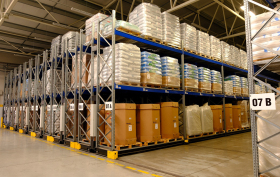
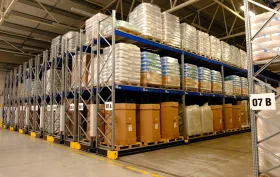
VACULA s.r.o.: Stable supplies of plastic granulates even in uncertain times
In the current complex global market environment, influenced among other factors by geopolitical tensions, many companies are facing uncertainty in supply... -
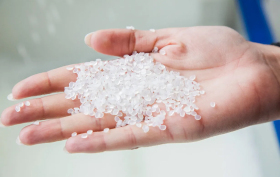
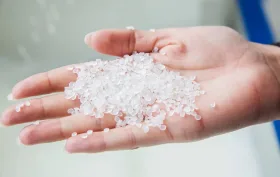
LIFOCOLOR explains how to choose the right masterbatch granule size
Are you dealing with colour inconsistencies, material segregation in the hopper, or inaccurate dosing? One possible reason may be an unsuitable granule size....