




Polymer prices - expectations of price cuts have halted demand
Both plastics converters and their customers are confident, blindly trusting in the steep price drop this summer. Their main goal is to use up the supplies, which are now considered "expensive", as soon as possible. Supply and production security are once again not a consideration for either plastics converters or their customers. It is expected that by the end of July or mid-August, plastics converters will be similarly understocked as in February. Meanwhile, the supply in Central Europe is shrinking significantly due to maintenance and disruptions. It is very likely that some grades will have availability issues as early as June. Incoming imports focus only on the grades used in the largest quantities. The market is now driven not by facts, but by sentiment. Converters and their buyers are panicking and want to get rid of their expensive stocks, so they are not buying. There seems to be nothing stopping the significant drop in prices. The price drop significantly reduces the demand for polymer and plastic finished products, which induces further price declines. According to the head of a Central European polypropylene manufacturer1, if an ECG device shows something similar to the current polymer price curve, it means a heart attack. Continuing the analogy, if the first heart attack is not fatal, the second or third will be.
Feedstock prices do not justify such a drop in polymer prices. In the past week, the price of NAPHTHA has stabilized above 700 USD/t. BRENT remained above USD 90/barrel. There is no significant change in the fundamentals. This continues to predict high monomer prices and negative polymer spreads. The European polymer industry is starting to see a profitability situation similar to January-February, coupled with strong supply pressures. The situation is different in Central Europe, where the supply has narrowed significantly. However, this is not immediately noticeable due to weak demand and import offers, but due to ongoing maintenance and MOL Petrochemical Force Majeure, it will be noticeable by the end of June for some, and by the end of July for most HDPE, PPC, PPR and some PPH grades. This sets the stage for a second wave of panic buying, a second "heart attack".
-

myCEPPI
myCEPPI provides a weekly price report for commodity plastics.

-
VACULA s.r.o.: Stable supplies of plastic granulates even in uncertain times
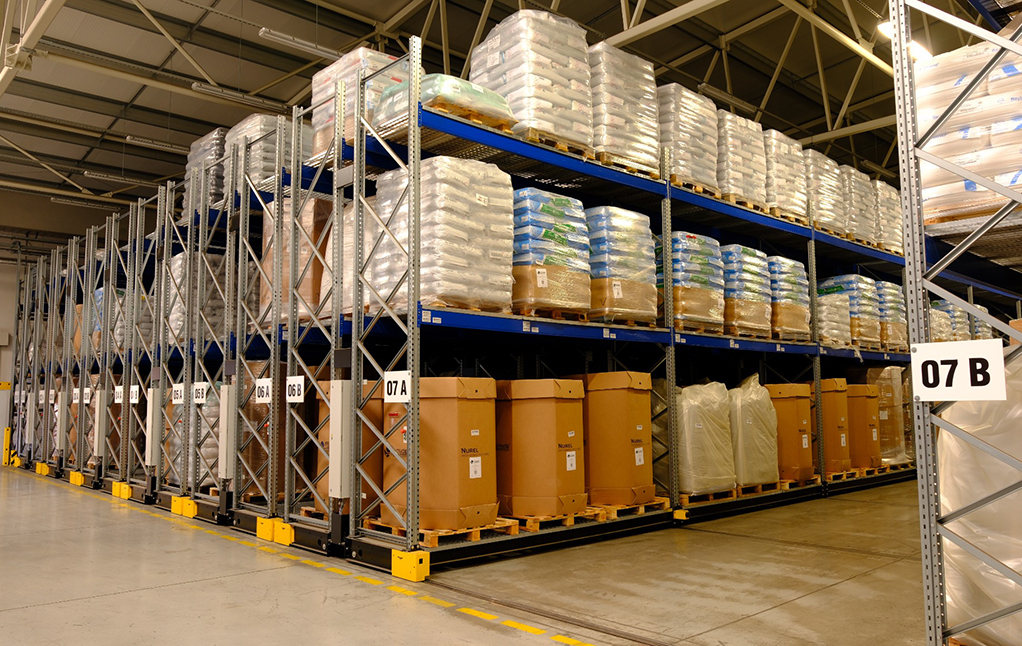
In the current complex global market environment, influenced among other factors by geopolitical tensions, many companies are facing uncertainty in supply... -
Lifocolor s.r.o. explains how to choose the right masterbatch granule size
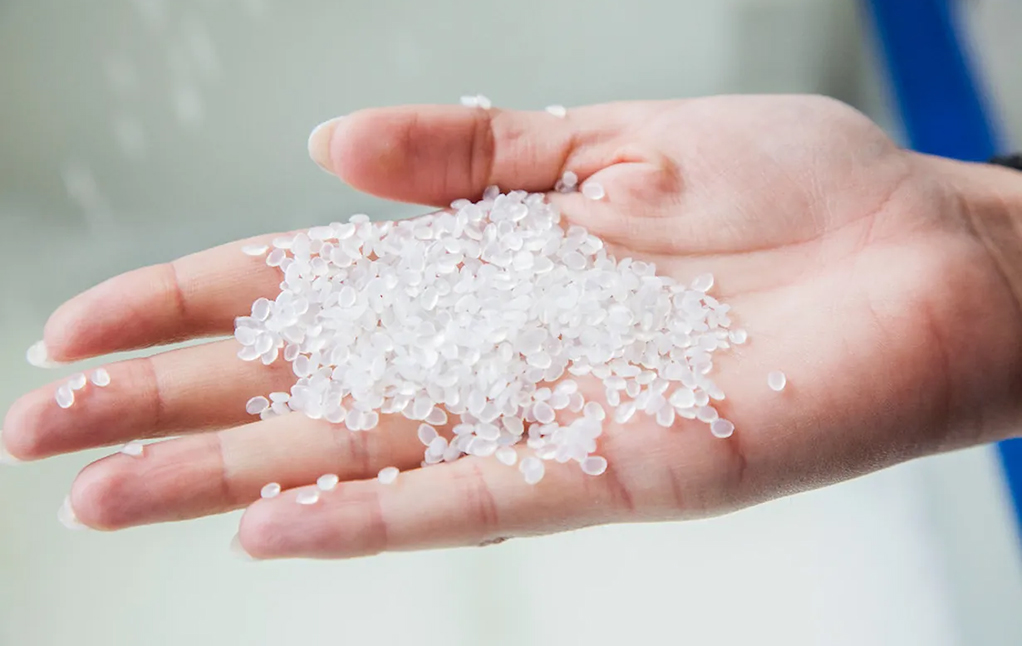
Are you dealing with colour inconsistencies, material segregation in the hopper, or inaccurate dosing? One possible reason may be an unsuitable granule size....