




Polymer prices - polymer manufacturers are preparing to raise prices in September, but demand remains weak for now
The risk is low; no significant price increases are expected for any of the polymers in September According to market expectations, olefin and styrene monomer prices are expected to rise by 0–50 euros. In the case of styrene monomer, the possibility of a price decline also arose this week due to falling benzene prices. However, everyone is being sufficiently cautious, since September is the last month of the year when prices can still be raised, so while a price drop by SM is a real possibility, the likelihood is low.
A change in feedstock prices based on the beginning of the month could allow for a monomer price increase of up to 10 percent; however, European monomer pricing has changed significantly over the past year. To reduce volatility, monomer prices only partially tracked changes in feedstock (naphtha) prices; instead, polymer manufacturers aligned their prices with market expectations. In the case of monomers, the market has been demand-driven since October 2025. Even in the face of significant monomer price increases this spring, monomer manufacturers set prices conservatively and did not take advantage of the opportunities for price increases or decreases presented by changes in feedstock prices. For polymer manufacturers, the goal right now is to maintain or perhaps slightly increasemonomer-polymer spreads. Since demand for polymers is not particularly strong and there is only limited potential for price increases, it is a logical decision to aim for the smallest possible price increase or even a rollover of monomer prices when setting monomer prices. The situation was similar in August as well; at that time, PVC manufacturers were aiming for a modest price increase of 15–30 euros for ethylene monomer, but during the protracted price negotiations, a compromise was reached between the maximum possible increase of 60–70 euros and the minimum of 15 euros. Forecasts for monomer prices in September vary widely because changes in feedstock prices could lead to increases of up to three digits, while polymer buyers are only willing to accept a minimal price increase.
The market for finished plastic products is showing weak demand across all of Central Europe. We don't expect a strong fall season this year either. One reason for the weak demand is, on the one hand, subdued European consumption, and on the other hand, the increasing imports of commodity PE/PP film, woven and nonwoven textiles, etc., from Turkey, the Middle East, and India. Due to uncertain demand, users of packaging materials are also being cautious about their purchases and stockpiling. However, a strong fall season is not expected in the onstruction industry either, nor in agriculture following the drought-stricken summer.
Nevertheless, polymer manufacturers are attempting to implement small price increases in the coming week. The success of the price increase will depend on the strength of demand. The real question is: When will prices turn around, and when will the gradual price erosion that typically marks the end of the fall season begin? At the end of September or as early as mid-September?

-
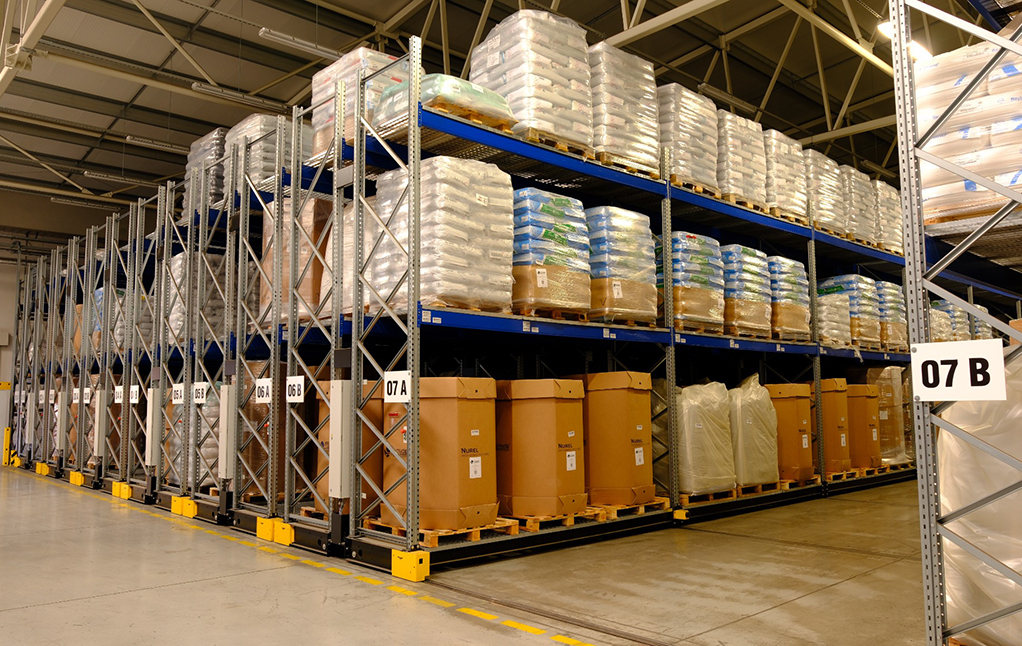
VACULA s.r.o.: Stable supplies of plastic granulates even in uncertain times
In the current complex global market environment, influenced among other factors by geopolitical tensions, many companies are facing uncertainty in supply... -
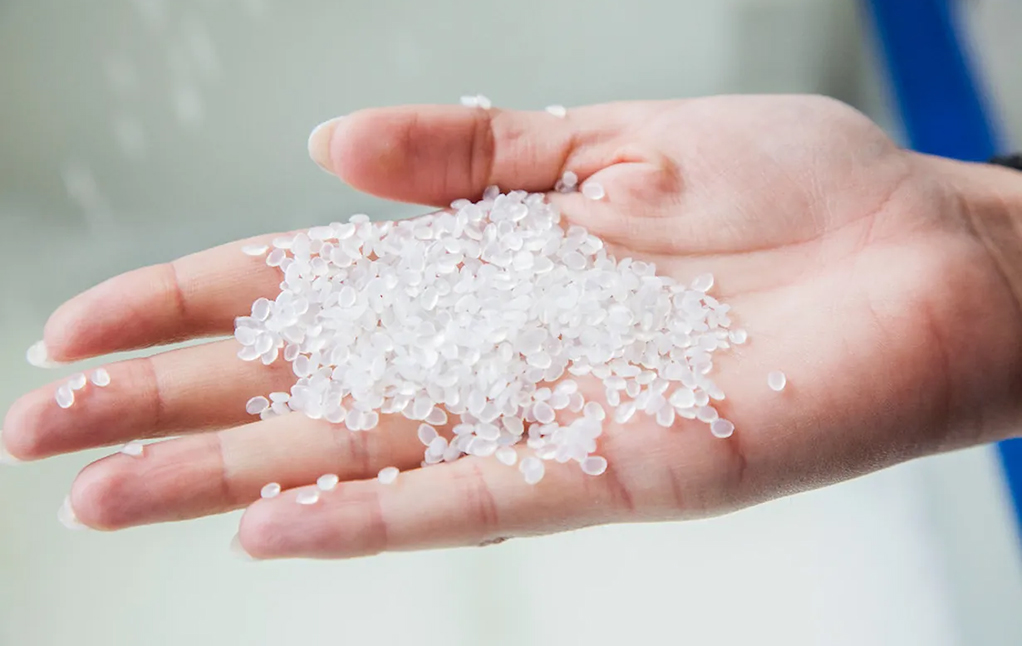
LIFOCOLOR explains how to choose the right masterbatch granule size
Are you dealing with colour inconsistencies, material segregation in the hopper, or inaccurate dosing? One possible reason may be an unsuitable granule size....